Eco-Tech
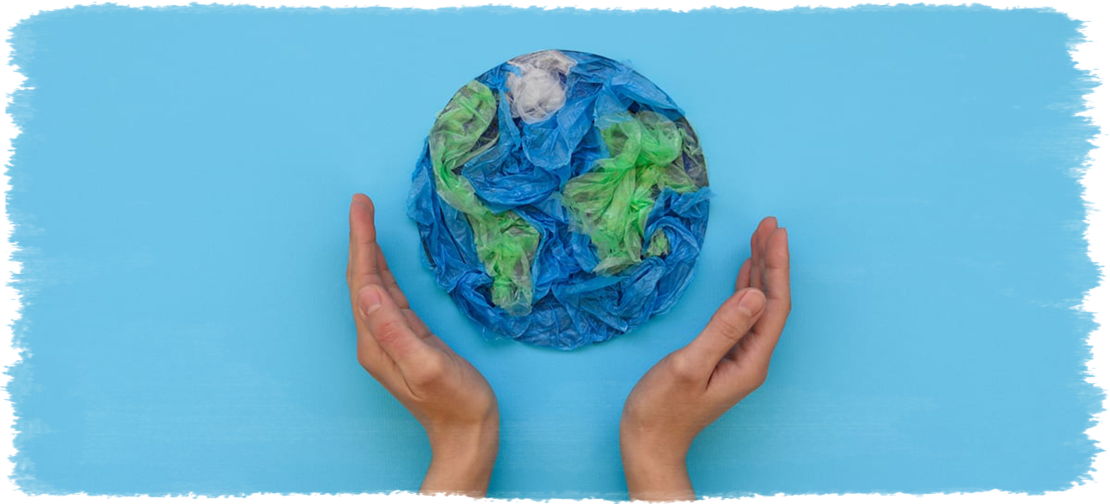
Will Bioplastics Save The Planet?
THE WORLD HAS A HUGE PLASTIC PROBLEM. COULD BIOPLASTICS BE THE SOLUTION?
By Mia Bencivenga
November 25, 2020
We consume mind-boggling amounts of plastic. In 2016 alone, we used 480 billion plastic bottles.
Add that number to the 500 billion plastic cups we use each year, plus the fact that we enough bubble wrap to wrap around the equator 10 times — and you could say we have a crisis on our hands.
Bioplastics have been touted as a solid solution to the world’s plastic problem. But will bioplastics alone cure us of our dependency? Or are bioplastics just an environmental wolf in sheep’s clothing? Let’s dive in.
What are bioplastics?
Bioplastics are primarily made from two sources. The most common type of bioplastic is made from corn that has been processed until it becomes something called PLA, or polylactic acid. PLA behaves a lot like the plastic that you’d find in single-use water bottles. The other type of bioplastic is made from PHA, or polyhydroxyalkanoate, which is derived from microorganisms. PHA is more commonly used for medical applications and single-use food packaging than PLA.
What are the benefits of bioplastics?
We are a very plastic-oriented society. And as much as many of us would like to go back to the way things were before plastics, it may not be achievable in the near or long-term. Bioplastics can help usreduce our use of traditional plastics. They also have the advantage of being made from renewable resources. There is also the possibility that bioplastics can be created in a carbon-neutral fashion. They are also biodegradable. However, just because their biodegradable, doesn’t mean they’re truly eco-friendly, which brings us to our next point:
Are there any downsides to bioplastics?
Oddly enough, the fact that bioplastics are degradable can lead to some issues in the long term. Most of these bioplastics need high temperature industrial composting facilities to truly break down, and most waste management systems can’t process them properly. And if bioplastics end up in landfills, they may not biodegrade properly, and release methane as a result. If you aren’t sure why this is a big deal, methane is a greenhouse gas that is 84 times more potent than carbon dioxide. Also, since bioplastics are made from crops such as corn, they may require pesticides and fertilizers to grow successfully. This means bioplastics could end up doing more harm than good to our environment down the line.
So, are bioplastics going to save the planet?
Right now, bioplastics may not be the silver bullet to our plastic problem. If we had better recycling infrastructure and could ensure bioplastics were made from wasted corn crops or other organic materials, we could safely say that yes, bioplastics are here to save the day! But for now, your best bet to cut down on plastic consumption is to continue to check out plastic alternatives, trying to minimize waste wherever possible, and ensuring that you’re recycling and composting properly.
Mia Bencivenga